Roadworker abuse: why it’s time for a change in culture across the UK
Far too many members of the public consider road workers a legitimate target for abuse.
Watch the new documentary exposing the issue now.
What’s the message behind this documentary?
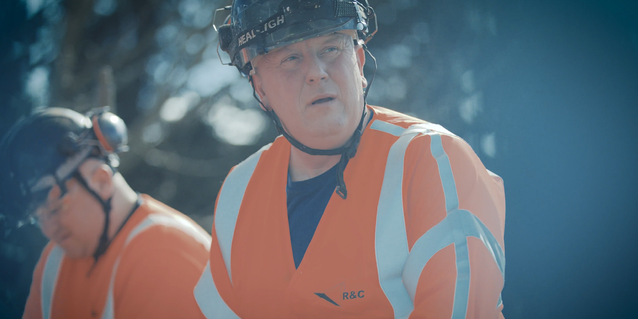
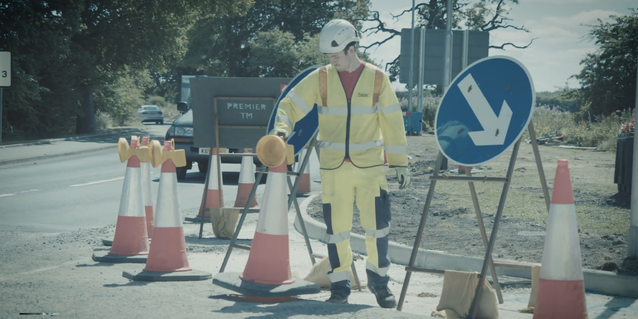
The highways industry has come to treat abuse to its public-facing staff as 'just part of the job'. Teams carry on regardless, operating within a volatile work with teams regularly experiencing issues like incursions, physical attacks, and verbal insults. Inadequate police protection and little visibility of the true scale of the issue are making the situation worse.
In partnership with RAISE (the Roadworker Abuse and Incursion Safety Exchange), we’re presenting our documentary ‘Every road worker deserves to go home safe’. Our aim is to improve awareness of the issue and promote RAISE’s call for better reporting and collaboration across the industry.
Abuse statistics
Despite a lack of clarity on the true scale of the problem, the industry has made multiple attempts to put the issue of abuse into perspective. Case studies include stories of roadworkers being punched, having bottles of urine thrown at them, being spat at, and threatened with vehicles and weapons.
Public frustration with road closures and a lack of understanding about what roadworkers actually do all contribute to the issue. This is the impact:

60%
of roadworkers experienced abuse from members of the public in the last 12 months.
1 in 4
report poor mental health as a direct result of aggression experienced at work.
3 in 5
workers leave the industry within a year of starting due to abuse.
80%
report poor mental health as a direct result of aggression experienced at work.
The feeling on site
One of the sector’s biggest challenges is that many incidents are never followed up. Reports are sent to clients, but nothing changes on site. According to Andy Murray – general manager of HW Martin, speaking in the documentary – road workers have stopped reporting because they see no outcome.
As a result, valuable evidence is lost, and opportunities to identify patterns or improve safety are missed.
Beyond worker wellbeing, safety, and retention, this leaves the industry without the data it needs to drive meaningful change.
It’s an accepted part of being a road worker that you will be abused by the public for doing your job – and that there’s absolutely no point reporting because nothing happens.


RAISE:
how industry initiatives aim to stop abuse
Only by improving reporting, raising awareness, and sharing information across the sector can we change things for the better.
RAISE is an independent, industry-led initiative building a live database of incidents. This database will give the sector a clearer picture of abuse and incursions against roadworkers across the UK.
Too much valuable information stays siloed within individual businesses. At the moment, one contractor can arrive at the same location where another contractor was working weeks later, and they have no visibility of previous abuse or incursions. Information sharing can make a difference.
Organisations can support RAISE by contributing their own data to the platform. In turn, this shared resource will help teams identify patterns, understand hotspots, and put more effective measures in place to protect workers.
How Re-flow is working with RAISE
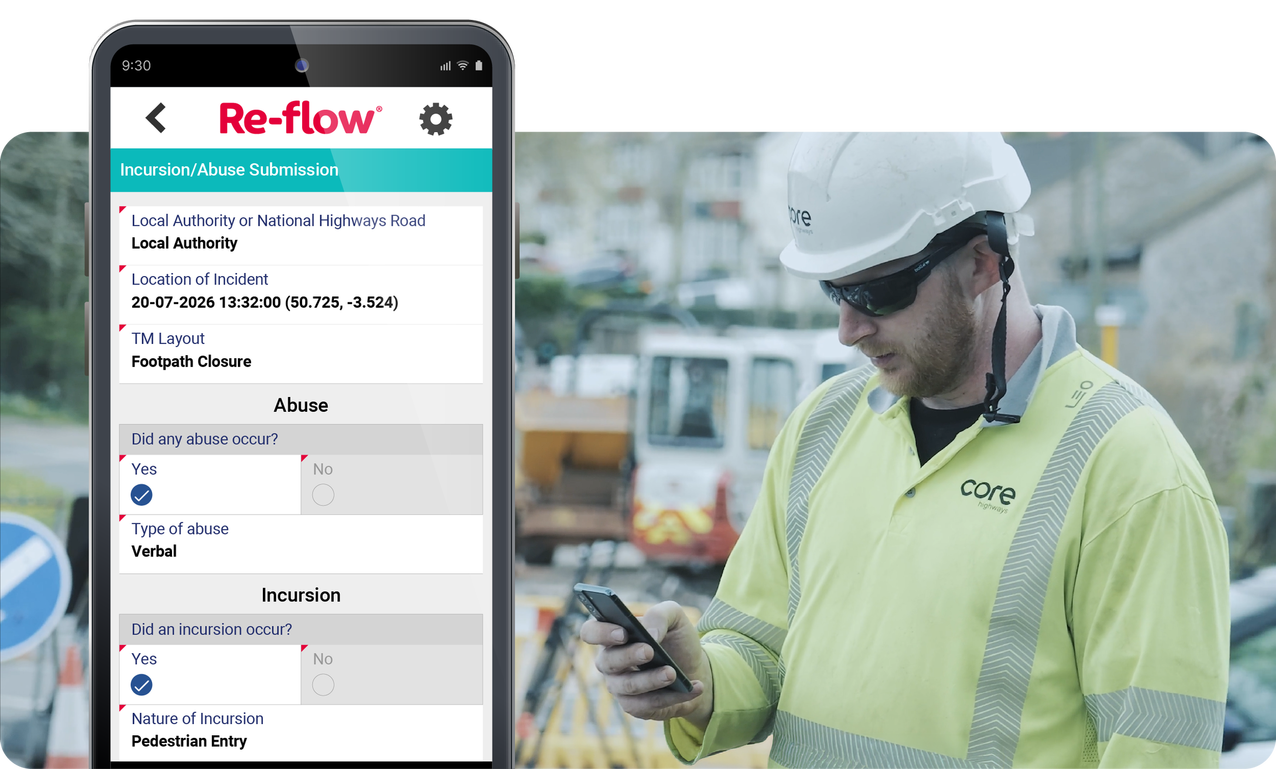
Re-flow is working with RAISE to develop a dedicated reporting form that captures information in the exact format RAISE requires. This form will be available on the mobile site app.
The easier incidents are to report and share, the more complete the picture becomes.
Other measures the country needs to consider to combat abuse
The industry can improve reporting, training, and awareness, but lasting change will also require stronger enforcement and greater public understanding.

Greater police support and enforcement
improving responses to reported incidents and increasing confidence that action will be taken.

Enhanced penalties in roadwork zones
aligning with other countries, where offences committed within work areas attract larger fines or stricter punishment.

National public awareness campaigns
helping people better understand why roadworks are necessary and the role roadworkers play in keeping the network safe.

Wider use of body-worn cameras and CCTV
providing evidence when incidents occur and helping protect workers from false accusations.

Continued investment in worker welfare and conflict management training
ensuring operatives are equipped to deal with challenging situations while maintaining their own safety.
Join voices from across the highways industry as they discuss the realities facing frontline teams and the practical steps organisations can take to create safer working environments.
Register now to watch the webinar