 4 minutes read
Highway’s biggest blind spot: the under-reporting of worker abuse, and its new solution – RAISE
 Oliver Revolta, Researcher & Copywriter
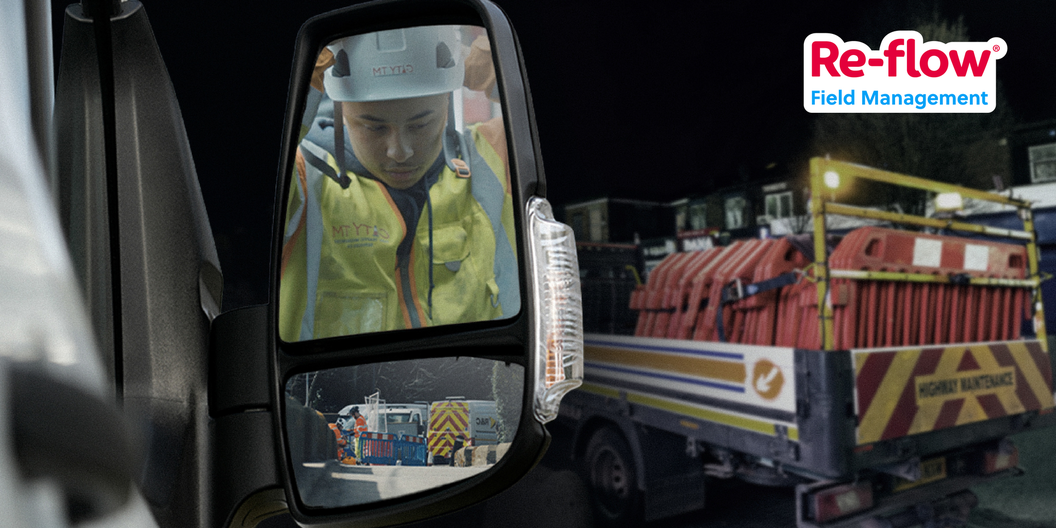
Road workers often feel that abuse from the public is normal – a part of the job impossible to avoid – and that nothing happens whenever they report it.
There is some hope, however, as a new initiative by RAISE (the Road Worker Abuse and Incursion Safety Exchange) aims to improve collaboration between businesses across the highways sector.
Violence that goes far beyond verbal abuse
If anyone wanted to dismiss road worker abuse as a minor concern, a recent set of interviews by Re‑flow Field Management – part of a series of releases around highways safety – show that abuse is a deeply serious issue that needs addressing.
Ryan Harris, one of Core Highways’ regional managers, thinks the situation is getting worse.
Road worker abuse has massively changed. The traffic management industry is on the front line. We get it all day, every day.


“Beyond the cases where we get bottles of urine thrown at us, we get physical abuse too,” Ryan says. “Just the end of last year in South Gloucestershire, some guys in a van couldn’t get through a road closure. Long and short, they ended up smashing the van up with a baseball bat and broke a road worker’s legs.”
Incidents can come from different types of people. “A tractor was driving towards a road closure. There was a lady and a man in a tractor. This lady was related to an Earl. She was going to be late to one of her horse events because the road was closed. The road had been closed all week. They knew about it, but the lady got out of the vehicle and punched our guy.”
This incident was captured on body cam and went to court. The well‑to-do horse enthusiast lost the case as a result of this evidence being captured – a lesson for businesses that haven’t yet provided such protection to their teams.
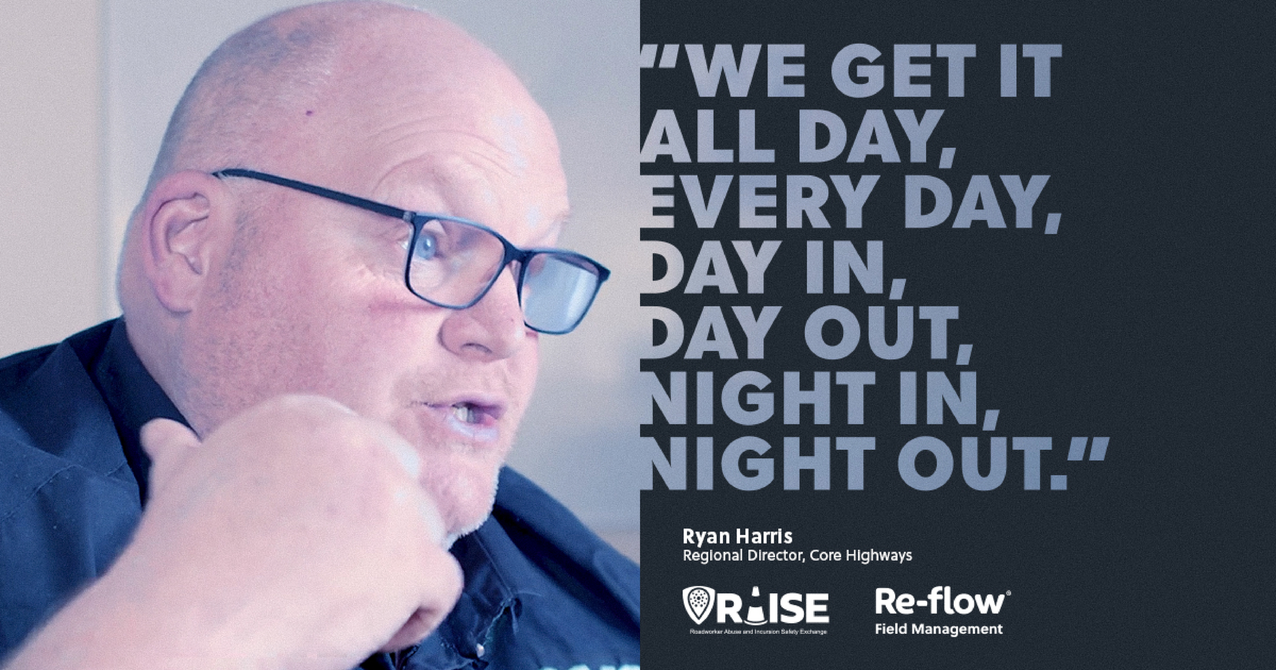
Road worker abuse has become normalised
A recurring theme across multiple interviews conducted by Re‑flow suggests that the scale of the issue is unclear due to chronic underreporting.
Andy Murray, general manager at HW Martin, says teams are jaded.
“It’s become an accepted part of being a road worker that you will be abused by the public for doing your job.” Andy is concerned at the ineffectiveness of reporting measures. “The perception is that there’s no point in reporting anything because nothing ever happens,” he says. “And they’re right.”
Laura Hogg, associate director at Beaumont TM – and founder of the initiative RAISE, which aims to finally fight back against these trends – echoes these thoughts. The workforce as a whole do not believe in reporting.
“You speak to any one of them and they say, ‘Well, you know nothing happens’, and yes traditionally they’re correct.”
The industry has a huge problem, Laura says. But it lacks the visibility to even know how big that problem is. This is exactly why RAISE exists.
The creation of the RAISE platform (and what is RAISE?)
“RAISE – the Road Worker Abuse and Incursion Safety Exchange – is an exchange of data between all of the organisations within our industry,” says Laura.


She explains that companies currently hold incident data in their own systems, but there has never been a single location where that information can be correlated, analysed, and used to identify root causes.
The long-term vision is for RAISE to become a shared industry database where any highways organisation can submit abuse, incursion, and safety incidents. Alongside the ability to identify trends, businesses going to similar areas to other teams will know what they’re potentially getting themselves into.
To make this a reality, one of the ambitions discussed by the team is the creation of a national heat map. This way contractors will be able to:
- See whether a location has a history of abuse
- Understand local risks before work starts
- Deploy additional safety measures
- Design safer traffic management layouts
- Allocate body cameras or CCTV to higher-risk locations
The next step would be to use hotspot data much earlier in project planning, including during early contractor involvement meetings, design reviews, and TM planning sessions.
This moves the industry from reacting to incidents after they happen to proactively managing risk.
“We have to have a cultural change that our site teams do report regularly when anything’s happened,” says Laura. “We need them to report these incidents to us so that we can make changes in the future.”
For them to do so, teams need to know that something is going to happen to make things better.
These interviews are included in Re-flow’s latest Health and Safety in Highways Report 2026.
Inside, there’s more information on abuse and incursions – alongside the latest insights into major HSE prosecutions, occupational road risk, and the technologies reshaping safety management across the sector.

Recent stories
 2 minutes read
Highways UK: bring your field operations questions to Re-flow on stand E11
 3 minutes read
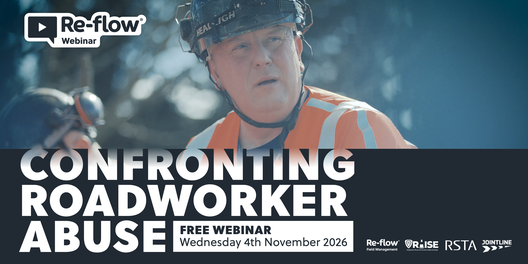
‘Confronting roadworker abuse’: a new webinar continuing an important conversation
 2 minutes read