How photos can drive big shifts in site performance – when they’re done right
 Oliver Revolta, Researcher & Copywriter
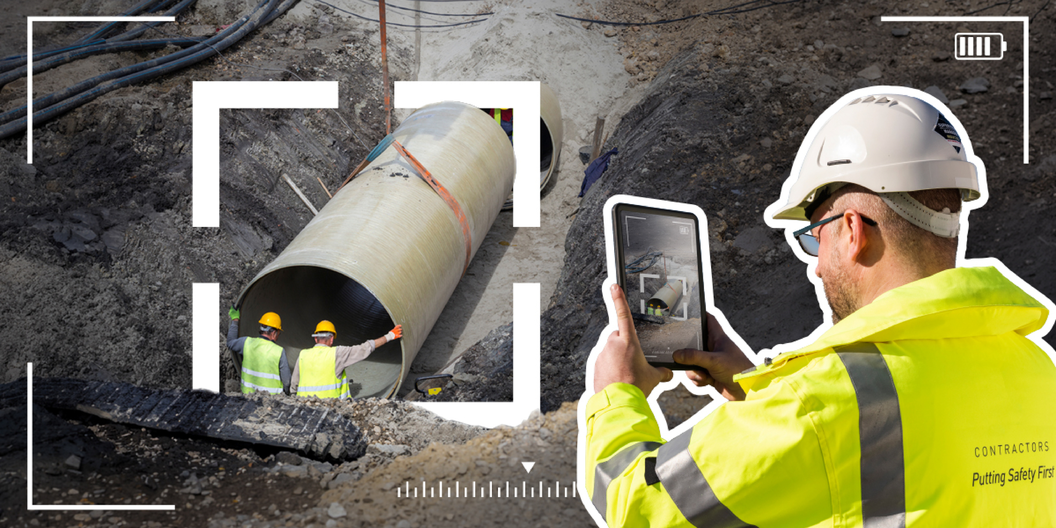
Across operations, site photos are often treated primarily as evidence for completed work – but if that’s all your teams use them for, then they’ll be missing out on a crucial strategic angle.
On site compliance inevitably breaks down due to the structures and workflows in place not meeting the challenges found in modern infrastructure. Jobs move under pressure, with teams across multiple locations under tight deadlines, often managed on software that doesn’t quite fit.
And when compliance breaks down, the gaps make an impact – leading to rework, delays, safety exposure, and risks to margins.
Your managers might bring in extra checks, increase scrutiny on teams, or add more process…
But some of the most effective operational improvements come from more subtle innovations often looked over.
One example of that can be found in something as simple as site photos.
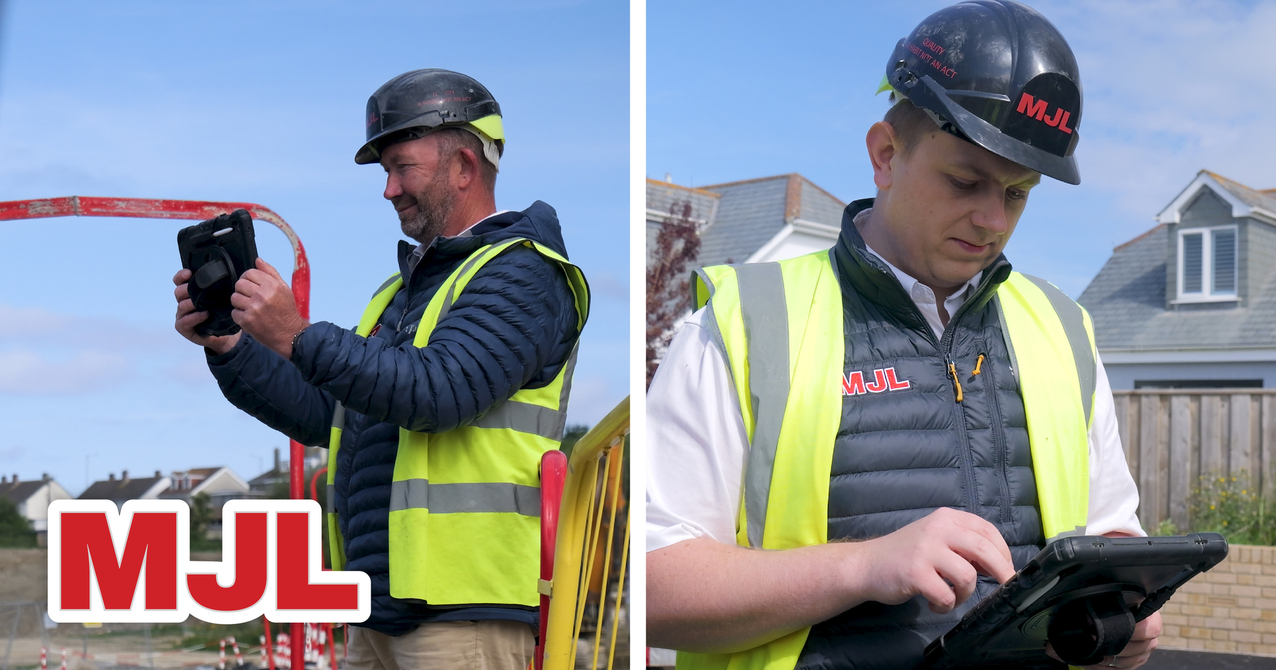
In‑workflow photos: a culture change for site teams
Used well, photos influence how work gets done in the first place.
This was the experience of groundwork contractor MJL in a recent case study.
Rather than treating photos as an afterthought, MJL embedded them directly into their workflow via their operations software: Re‑flow Field Management.
Now, at specific points in each job, teams are required to capture a photo before work can continue. Maybe the team has set up the site, and the software blocks the start of the next task until a photo has been taken.
That simple constraint has a disproportionate impact, and the reason for this comes with what happens next.
Because photos are taken at the exact point of work and because the software makes the photo immediately visible back in the office – with an alert if necessary – they create a level of accountability that doesn’t exist when information is recorded later.
The photos are geo‑tagged, time‑stamped, and they show the name of the specific operative or supervisor.
The result is a subtle but important culture shift:
Teams don’t just record what’s been done – they automatically take extra care in what they’re showing and that everything within that photo is as it should be before they even take it.
“Now if you ask someone to take a photo of a site, you know for a fact they’ve gone and looked at everything,” says Luke Serpell, MJL’s quality systems manager. “It encourages teams to look at the details within the photos they’re taking, making sure everything is to the standard we want.”
Glynn Mitchell, project manager in the company, went a little further: “It makes teams straighten the site up a little bit on a daily basis, rather than the photo just being part of a tick box exercise.”
This encouraged an attention to detail that might otherwise be missed, and the result on the business is compliant sites, no risk of fines, improved standards, and more buy in from staff.
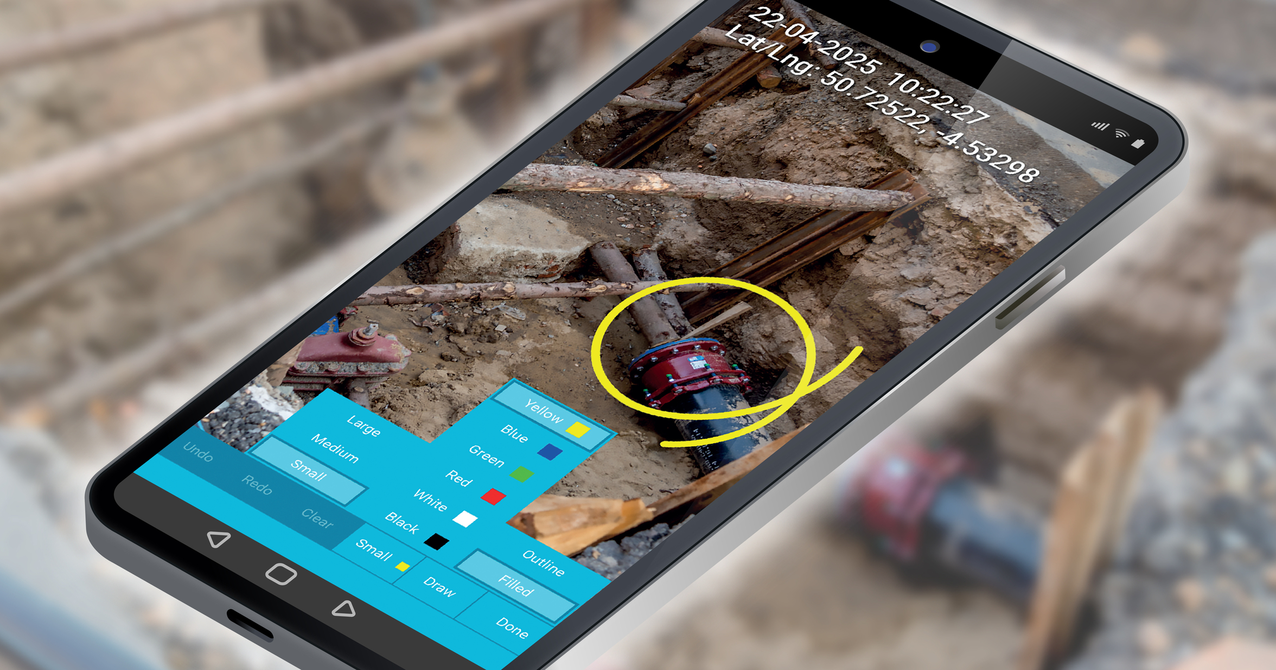
This is one of many tools for improving standards on site
What this example shows is that, when visibility is immediate and unavoidable, behaviour changes.
Using disconnected systems, or ill‑fitting software to manage sites makes this difficult. To take advantage of these possibilities, businesses are best served by an operation platform that integrates planning, execution, and real‑time visibility into one system built for their specific industry.
For businesses looking to move beyond tick‑box compliance, the MJL example offers a practical illustration of how small process changes can deliver measurable impact at scale.
Explore MJL’s Re‑flow case study and discover more about their 42% reduction in service strikes, time savings across 50 live sites, and improvements to profit margins.
Recent stories
 2 minutes read
Highways UK: bring your field operations questions to Re-flow on stand E11
 3 minutes read
‘Confronting roadworker abuse’: a new webinar continuing an important conversation
 2 minutes read