 2 minutes read
Working towards a zero‑harm future for roadworkers
 Oliver Revolta, Researcher & Copywriter

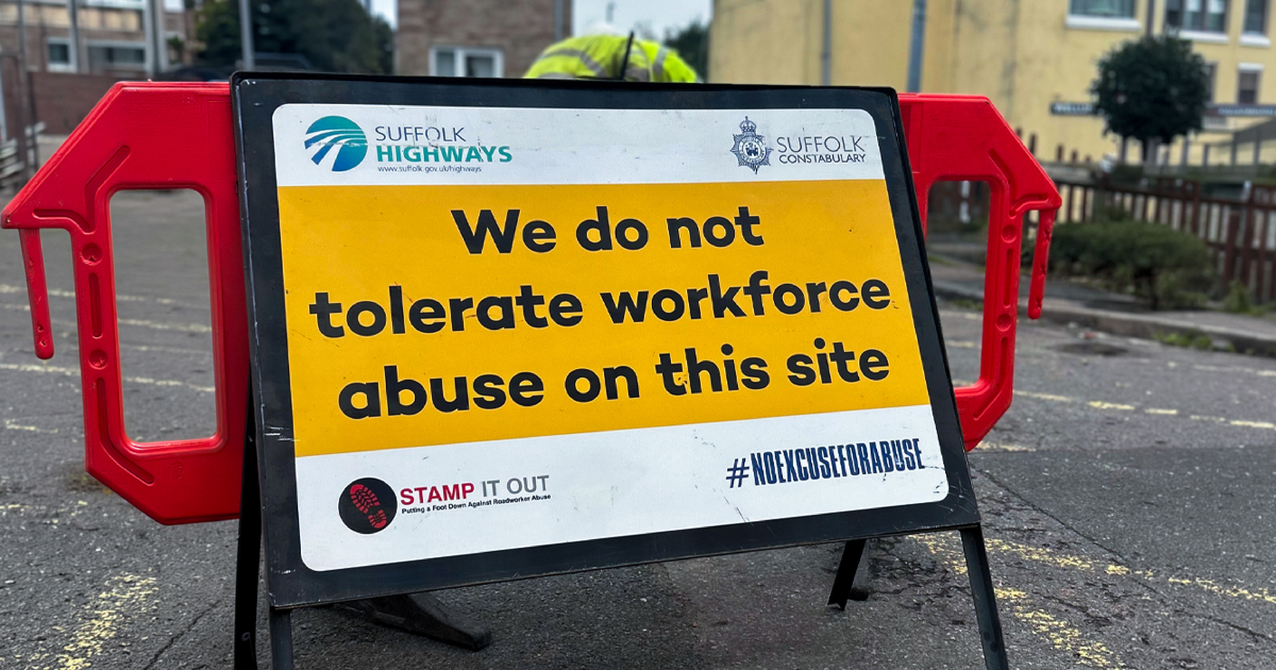
Across the UK’s highways sector, abuse directed at roadworkers has become an increasingly urgent issue, affecting organisations of all sizes and across all parts of the supply chain. Recent figures from the Stamp It Out campaign highlight the scale of the problem. Over 2,300 road operatives reported being verbally or physically abused in a single year, and around 60% experience abuse on a daily basis. These figures reinforce what many in the industry already recognise: roadside abuse is not a string of isolated incidents but a widespread, systemic safety concern.
This is reflected in the experiences of many organisations we work with. Re‑flow Field Management supports contractors across the highways maintenance, surfacing, line marking, civils and traffic management sectors, where frontline visibility leaves workers particularly exposed to public frustration. Amongst these is Jointline, whose operational teams work daily on live roads and feel these pressures directly. Julie Davidson, Head of Business Assurance at Jointline, describes the personal impact:
Our site teams do not deserve to be abused in the line of their work. They’re there to do a job, and it’s absolutely not part of their role to accept that kind of behaviour.


Davidson also notes how shifts in reporting culture and the rise of social media have made the issue far more visible within organisations: “Having additional reports come through is really valuable. It means we can address issues directly and not accept them in any manner, shape, or form.”
Jointline’s experience aligns with what many across the sector are seeing. Increased congestion, deteriorating road conditions and heightened pressures on the network have all contributed to a climate where roadworkers become the outlet for misplaced anger. As Davidson explains, frontline teams are often “bearing the brunt of public frustration. Quite wrongly.”
A shift towards cultural and legislative change
Across the industry, there is growing support for stronger protections and a cultural reset around how roadworkers are treated. Campaigns like Stamp It Out continue to call for clearer legal deterrents, and greater recognition of the risk these operatives face daily. The direction is clear: abuse should not be accepted as an inevitable part of the job. Ensuring operatives feel safe is no longer viewed as a workplace preference, it is a fundamental component of a zero‑harm culture. Re‑flow stands firmly behind the industry’s efforts to eradicate roadworker abuse and remains committed to supporting the move to a safer, zero‑harm future for everyone working on our roads.
A shared industry responsibility
Whether through improved reporting, stronger communication, cultural change or more consistent messaging to the public, addressing roadworker abuse is a responsibility shared across contractors, clients, local authorities and national bodies. Digital tools also have an important role to play, helping teams capture incidents accurately, share information quickly and support better, more urgent, decision‑making across organisations.
By acknowledging the scale of the issue and committing collectively to tackle it, the sector can take intentional steps towards ensuring every operative is able to return home safely at the end of each day.
You can meet the Re-flow team at Traffex on stand C25 and learn how their field operations software helps keep highways teams safe.
Recent stories
 2 minutes read
Highways UK: bring your field operations questions to Re-flow on stand E11
 3 minutes read
‘Confronting roadworker abuse’: a new webinar continuing an important conversation
 2 minutes read