Top 10 improvements MJL saw after rolling out Re-flow Field Management (Part 1)
 Oliver Revolta, Researcher & Copywriter
Re‑flow Field Management is specialised operational software, which means it was built around the realities of work across highways, civils, groundworks, and commercial landscaping.
It has more tools than generic software and, due to constant development, is often more future‑proof and flexible than bespoke.
(For example, one company benefits from the innovations built for another company – and from the software undergoing constant development and improvement to meet evolving industry needs).
Often the true impact of this kind of specialised software can be difficult to grasp without using it.
At MJL Group, a groundworks business operating across 50 live sites, their use of Re‑flow has transformed how work is seen, managed, and delivered across safety, quality, and production. Re‑flow connects what happens on site to the rest of the business in real time.
What follows is a snapshot into that impact.
1 MJL can see what’s happening across every site, as it happens
Re‑flow captures site activity at the point of work, within the workflow.
The software makes this possible by intuitively mandating and enforcing evidence capture into task lists, meaning these tasks can’t be skipped. Work can’t move on without capturing evidence.
Each submission is time-stamped, geo‑tagged, and linked to the individual completing it.
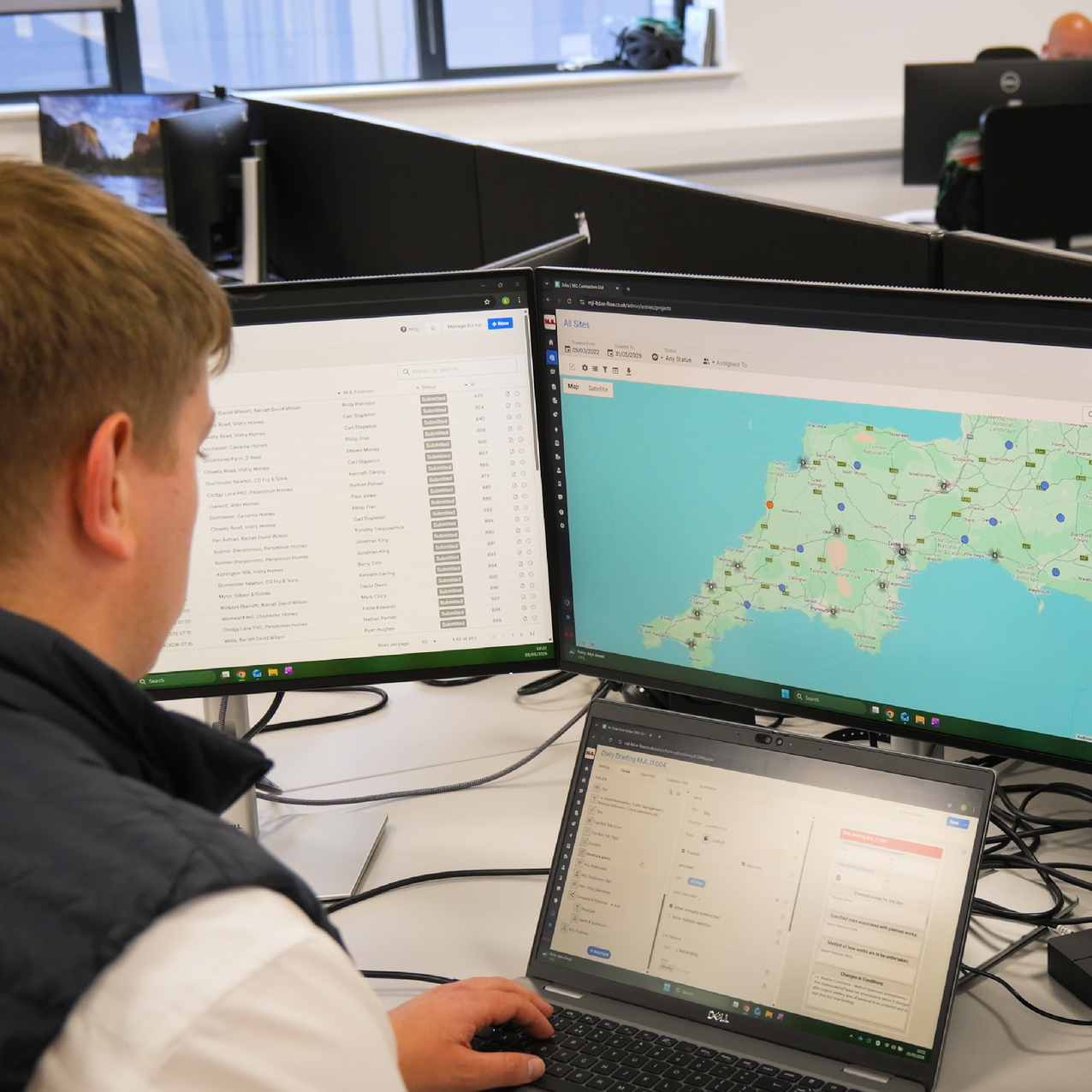
As a result, teams in the office aren’t waiting for updates or chasing paperwork. They have a live view of what’s happening across every active site.
And once that visibility is in place, behaviour on site begins to shift…

2 When work is visible, teams pay closer attention to how it looks
When site activity is consistently captured and shared, it’s no longer a tick‑box exercise.
Mandated evidence – as we explored in this article – encourages teams to maintain company standards and take extra care in what they’re showing.
Teams start to notice more:
• The condition of the site
• The quality of the work
• The small details that would otherwise be overlooked
“Now if you ask someone to take a photo of a site, you know for a fact they’ve gone and looked at everything,” says Luke Serpell, MJL’s quality systems manager. “It encourages teams to look at the details within the photos they’re taking, making sure everything is to the standard we want.”
Sites are kept tidier. Standards are maintained day to day, not just before inspections.
3 Problems get picked up while they’re still small enough to fix easily
With checks completed in real time and activity visible straight away, problems surface earlier – and are rectified earlier too.
A defect, a missed step, or poor practice doesn’t sit buried in paperwork for days or weeks. They’re seen as soon as they appear – often because the software has notified the relevant managers.
That changes the nature of response.
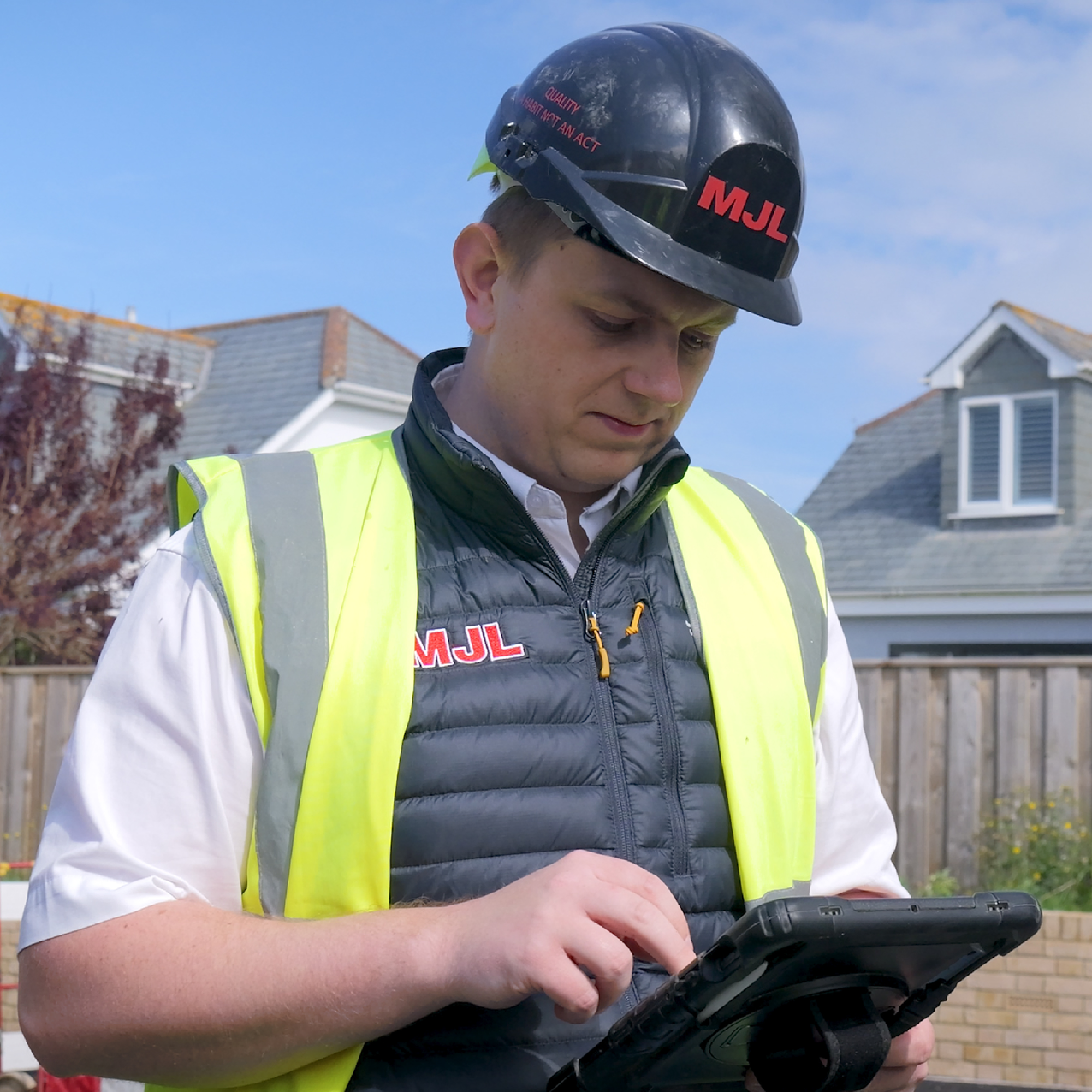
Instead of reacting after the fact, teams can step in immediately – correcting the issue before it escalates, affects other work, or requires rework.
Small interventions replace larger disruptions.
And once issues are consistently picked up early, a reliable picture of what’s actually happened on site begins to form.
4 There’s a clear, permanent record of what’s been done – not just what’s reported
Across UK infrastructure, much of the work disappears as the job progresses.
Drainage is covered. Foundations are buried. Services are closed off.
If questions from clients come back later, proving what was done has traditionally been difficult.
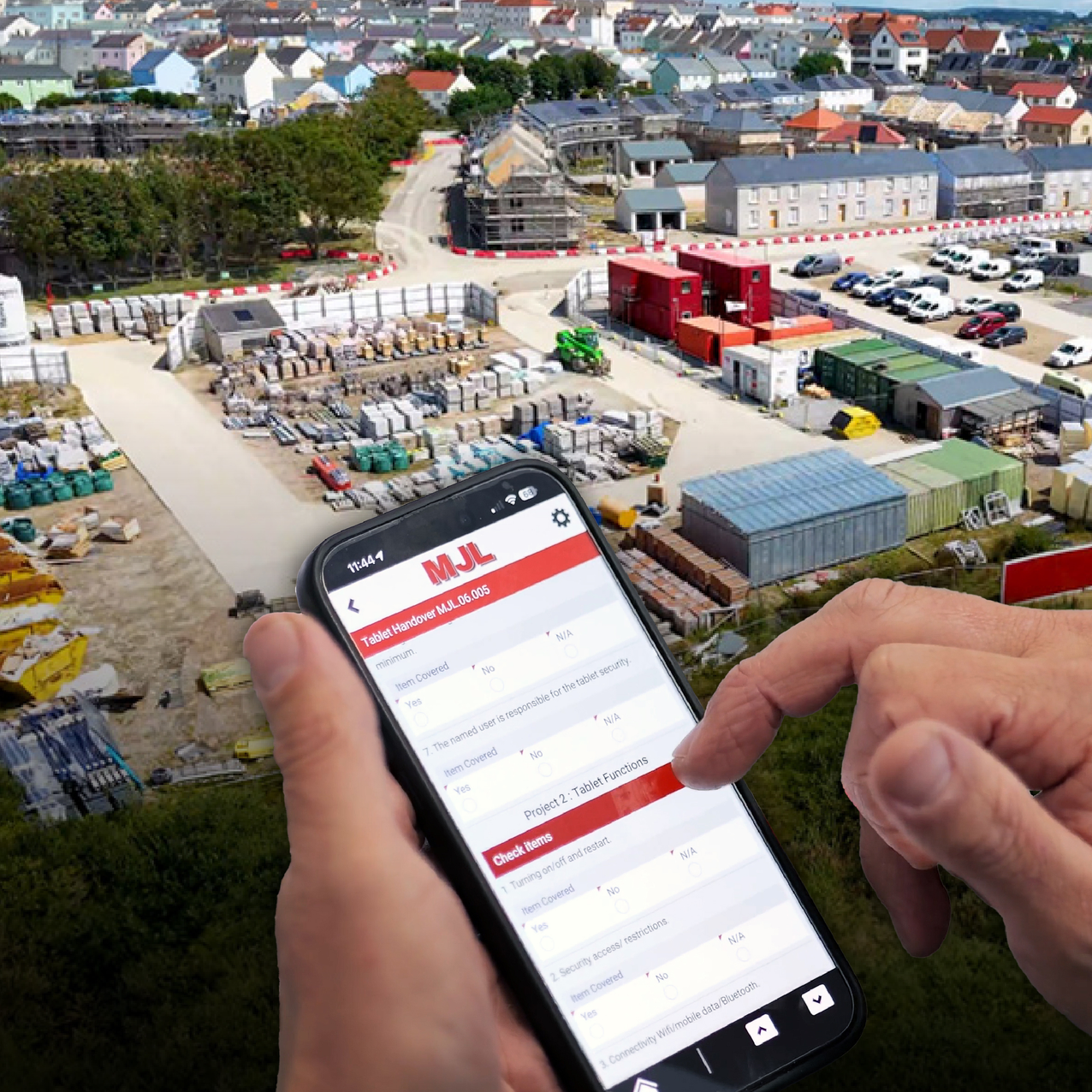
Now, because evidence is captured as the work happens and stored against each task, photos, timestamps, and records are all linked and accessible within a structured history of the job.
5 Less time is spent chasing information, and more time is spent running the job
When work is captured properly, when behaviour is consistent, and when issues are dealt with early, a lot of the usual friction falls away.
There’s no more chasing missing data, checking who’s done what, or following up on incomplete records.
Site teams are freed from repetitive admin that doesn’t move the job forward, and gain more time to focus on safety, quality, and delivery. The day‑to‑day running of the business at every level becomes noticeably smoother.
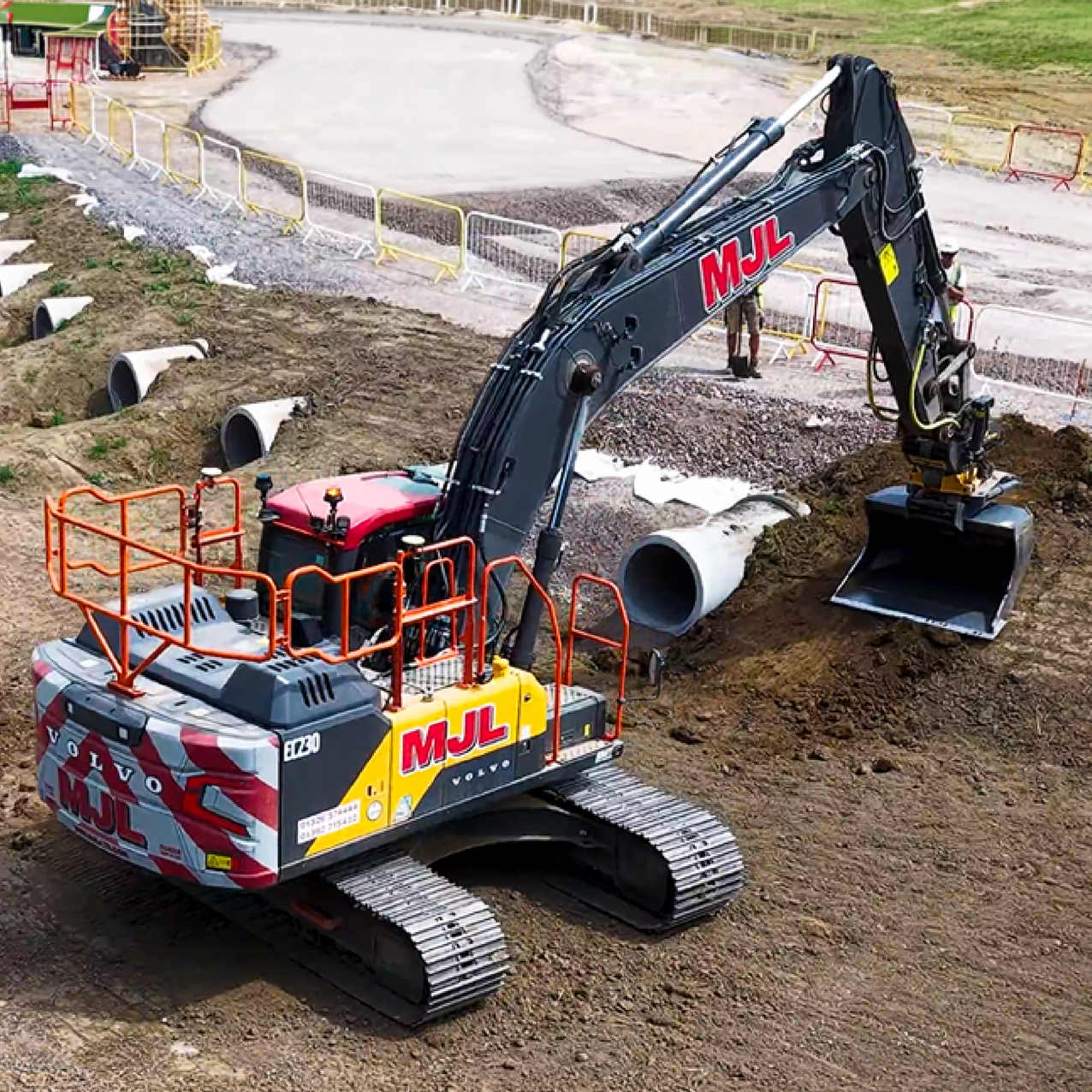
What’s coming in part 2…
In Part 2, we look at how these initial improvements translate into broader operational impact across the business – from scalability to a better relationship with clients.
If you want to learn more about how civils and groundworks company, MJL, use Re-flow Field Management to raise operational standards, watch our recent webinar with MJL’s Luke Serpell.

Recent stories
 2 minutes read
Highways UK: bring your field operations questions to Re-flow on stand E11
 3 minutes read
‘Confronting roadworker abuse’: a new webinar continuing an important conversation
 2 minutes read